
Most of us don’t think much about the water coming out of the tap. We fill a glass, rinse vegetables, start the kettle, wash our hands, and move on with the day. Water is one of those quiet things in a home that only gets attention when something feels wrong. Maybe it smells strange. Maybe it tastes metallic. Maybe the sink has reddish stains around the drain, or the shower glass never really looks clean no matter how often you wipe it.
And then, suddenly, water becomes personal.
The truth is, household water can change over time. Sometimes the difference is small and harmless, like a temporary chlorine taste after local utility maintenance. Other times, it may point to something deeper in the plumbing, the water source, or the treatment system. Knowing what to look for can save homeowners a lot of stress — and, honestly, a lot of guesswork.
When Clean-Looking Water Isn’t Always Clean
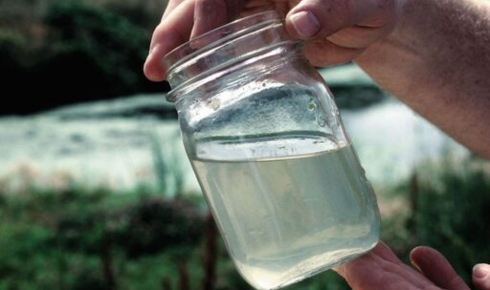
Clear water can still carry things you can’t see. That’s what makes water concerns tricky. A glass may look perfectly fine and still contain minerals, bacteria, sediment, chemicals, or other unwanted substances. Some issues affect taste and smell. Others leave stains or buildup. And a few may not announce themselves at all.
This is why contaminated water isn’t always dramatic. It doesn’t always look muddy or smell awful. Sometimes it appears completely normal. That’s why regular testing matters, especially for homes with private wells, older plumbing, or water that has recently changed in taste, odor, or color.
A one-time odd smell may not be a crisis, but repeated signs should not be brushed aside. Water is used too often in daily life to ignore problems for long.
Small Signs Around the House Can Say a Lot
Your home may be giving hints before your water becomes an obvious concern. White crust around faucets can suggest hard minerals. Orange or brown stains may point toward iron. Black staining could be connected to manganese or certain bacteria. A rotten-egg smell often brings sulfur compounds into the conversation. Cloudy water might be air bubbles, but it could also be sediment or other particles.
Then there’s taste. Water that suddenly tastes salty, bitter, metallic, or earthy deserves attention. People often blame the cup, the ice, or even the coffee maker before thinking about the supply itself. Fair enough — nobody wants to imagine their tap water is the problem. But taste changes are one of the most common early warnings.
Pets sometimes notice too, oddly enough. If a dog that normally drinks from the bowl starts avoiding it, that doesn’t prove anything, but it’s worth noticing.
Why Water Testing Beats Guessing
The internet is full of quick fixes. Buy this filter. Add that cartridge. Flush this tank. Install this system. Some of that advice can be useful, but water problems are rarely one-size-fits-all. Two homes can have the same smell and completely different causes.
Testing gives you a clearer picture of your actual water quality before you spend money on equipment. A proper test may check for hardness, iron, bacteria, pH, nitrates, lead, chlorine, total dissolved solids, and other possible concerns. For well owners, testing is especially important because there is usually no city department monitoring the supply every day.
Without test results, treatment becomes a guessing game. And guessing can get expensive fast.
City Water and Well Water Have Different Challenges
Municipal water is treated before it reaches your home, but that doesn’t mean it will always taste perfect. Chlorine, chloramine, aging pipes, hydrant flushing, or local repair work can all affect what comes through the tap. Most city water issues are temporary, but if something seems off for more than a day or two, it’s sensible to check local notices or contact the utility.
Private wells are different. The homeowner is responsible for testing and upkeep. Rainfall, nearby septic systems, agricultural activity, soil conditions, and aging well parts can all influence water. A well that produced clean, pleasant water for years can develop problems later. Not because anyone did something wrong — that’s just how groundwater and equipment behave over time.
This is also why annual testing is a smart habit. It’s not exciting, but neither is dealing with a preventable water problem after it has grown worse.
Filters Help, But Only When They Match the Problem
A basic pitcher filter can improve taste, but it won’t solve every issue. Carbon filters are helpful for certain odors and chemicals. Sediment filters catch particles. Water softeners help with hardness. Reverse osmosis systems can reduce many dissolved substances. UV systems may be used for bacteria concerns. Each tool has a job.
The mistake is assuming one filter fixes everything. It doesn’t.
For example, a home with hard water needs a different solution than a home with bacteria. A sulfur smell may require oxidation or disinfection, not just a small carbon cartridge. Lead concerns may call for certified filtration at specific taps. Good treatment starts with knowing the target.
Protecting the Water Your Family Actually Uses
Most people care most about the water they drink and cook with, and that makes sense. Clean drinking water supports everyday health in the most basic way. But water touches more than the glass on the dinner table. It runs through dishwashers, washing machines, showers, water heaters, humidifiers, coffee makers, and ice machines.
Poor water can shorten appliance life, stain laundry, dry out skin, dull hair, and leave fixtures looking older than they are. These may sound like small annoyances, but over months and years, they add up. A little prevention can make a home feel cleaner and run more smoothly.
Maintenance Matters More Than People Think
Even the best treatment system needs care. Filters need replacing. Softener salt needs checking. UV lamps lose strength. Water heaters collect sediment. Well systems need inspection. Skipping maintenance can turn a good solution into a weak one.
It helps to keep a simple record: test dates, filter changes, service visits, and any noticeable changes in smell, taste, or staining. Nothing fancy. A note on your phone is enough. When something changes later, you’ll have a better idea of when it started.
A Clearer Glass Starts With Paying Attention
Water problems can feel stressful because they enter the most ordinary parts of life. Morning coffee. A child’s water bottle. A pot of soup. A shower after work. Nobody wants to question those things.
But the goal isn’t to worry over every bubble or faint taste. The goal is to pay attention, test when needed, and choose solutions based on facts. Clean water is not just about appearance. It’s about confidence.
When your water changes, listen to it. Not in a dramatic way, just in a practical homeowner way. Notice the signs, ask the right questions, and don’t let small problems sit around until they become bigger ones. A clear, fresh glass of water should feel simple again — and with the right steps, it usually can.