
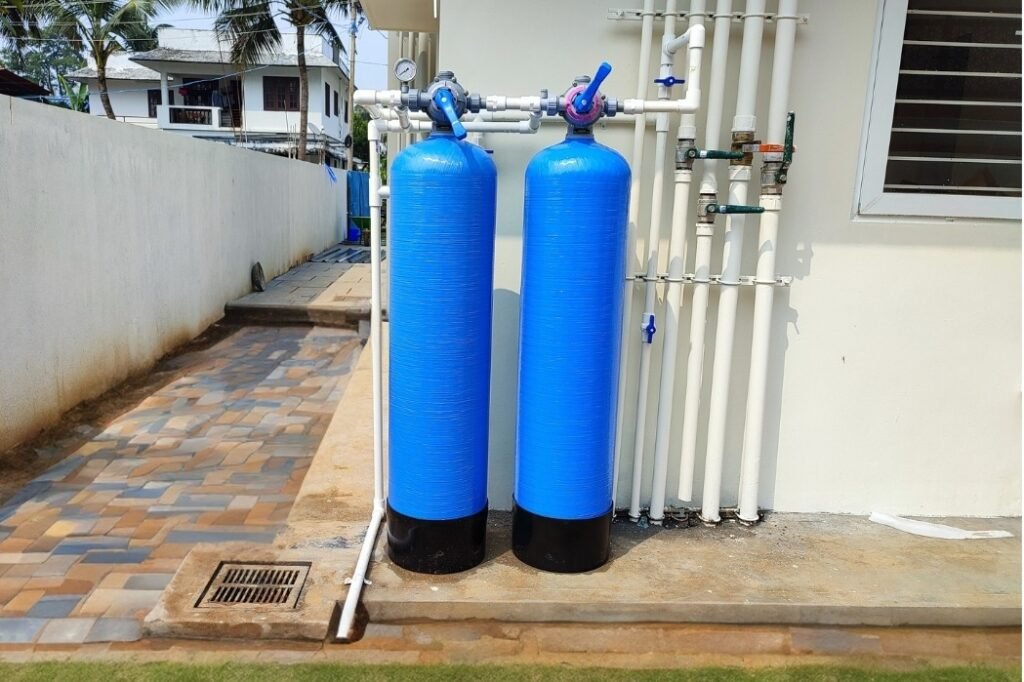
Water is one of those things we rarely think about until something feels off. Maybe the tap water starts tasting a little metallic. Maybe your shower leaves your skin feeling dry, or you notice stubborn white spots on dishes that never seem to disappear. These little clues often go ignored because, well, life gets busy. But over time, they add up and remind us that the water flowing through our homes deserves a little more attention than we usually give it.
The truth is, clean water isn’t just about quenching thirst. It’s woven into almost every part of daily life—from cooking and making coffee to washing clothes and taking a relaxing shower after a long day. And while municipal treatment facilities do an impressive job, the journey from the treatment plant to your faucet can introduce new challenges that many homeowners never consider.
Understanding What Really Comes Out of Your Tap
Water doesn’t exist in a vacuum. It travels through miles of underground pipes before reaching your kitchen sink. Along the way, it may pick up minerals, sediment, or traces of aging infrastructure. In rural areas, private wells bring their own unique concerns, from naturally occurring minerals to bacteria and agricultural runoff.
That doesn’t mean your water is unsafe, but it does mean every household has different needs. A family living in a city apartment may face entirely different water issues than someone relying on a private well outside town. That’s why there isn’t a one-size-fits-all solution.
The first step is understanding what’s actually in your water. A professional water test provides valuable insight, allowing homeowners to address real problems instead of guessing. Surprisingly, many people spend hundreds of dollars on filters without ever identifying the issue they’re trying to solve.
Why Modern Homes Are Upgrading Their drinking water systems
In recent years, homeowners have become much more aware of the importance of cleaner water. It’s not only about removing unwanted tastes or odors anymore. Families are paying closer attention to contaminants, plumbing protection, appliance longevity, and overall health.
Modern drinking water systems have evolved well beyond the bulky filters people remember from years ago. Today’s options can target specific contaminants while preserving beneficial minerals, depending on the system selected.
Many homeowners also appreciate the convenience. Instead of constantly buying bottled water, they enjoy fresh, filtered water directly from the tap. It saves money over time, reduces plastic waste, and simply makes everyday routines easier. Small changes like filling a reusable bottle before work suddenly become effortless.
Looking Beyond the Kitchen Sink
It’s easy to think water treatment is only necessary for drinking water. In reality, every faucet in the house plays a role.
Hard water, for example, quietly shortens the lifespan of water heaters, washing machines, dishwashers, and even coffee makers. Mineral buildup reduces efficiency, meaning appliances work harder while consuming more energy.
Showers can also reveal water problems long before they’re obvious elsewhere. Dry skin, brittle hair, soap that refuses to lather properly—these aren’t always caused by personal care products. Sometimes the water itself is part of the story.
That’s why many homeowners begin looking beyond individual faucet filters and consider more comprehensive solutions that protect the entire home rather than a single tap.
Is a whole home water treatment system Worth It?
For households dealing with multiple water concerns, a whole home water treatment system often becomes a practical long-term investment rather than an unnecessary luxury.
Instead of treating water only where it’s consumed, these systems filter water as it enters the house. Every shower, washing machine, dishwasher, bathroom sink, and outdoor faucet benefits from cleaner water.
The biggest advantage isn’t always something you immediately notice. Sometimes it’s what doesn’t happen.
Appliances experience less scale buildup. Plumbing fixtures remain cleaner. Soap works more effectively. Clothes often feel softer after washing. Even water heaters can operate more efficiently over the years because mineral accumulation is reduced.
Of course, every home is different. Some properties only require sediment filtration, while others benefit from softeners, activated carbon filtration, reverse osmosis, UV purification, or a carefully designed combination of technologies.
Choosing the right solution starts with understanding your specific water profile rather than buying the most expensive system available.
Small Habits Make a Bigger Difference Than You Think
Water treatment doesn’t end after installation. Like any household equipment, filters require maintenance. Ignoring replacement schedules can reduce effectiveness and sometimes create new problems.
Fortunately, maintenance today is much simpler than many people expect. Most modern systems include reminders, easy cartridge replacements, or professional service plans that keep everything running efficiently.
It’s also worth developing simple habits around water use.
Run cold water briefly after long periods of inactivity.
Clean faucet aerators occasionally.
Replace refrigerator filters on schedule.
Monitor changes in taste, smell, or water pressure.
These tiny routines take only minutes but help ensure your home’s water continues performing the way it should.
Why water quality Matters More Than Most People Realize
When people hear the phrase water quality, they often think only about safety. That’s certainly important, but quality extends far beyond contaminants.
Good water affects cooking results, beverage flavor, laundry softness, plumbing efficiency, skin comfort, and even household maintenance costs. It’s one of those invisible parts of everyday living that quietly influences dozens of experiences without demanding attention.
Imagine making tea with cleaner water every morning. Vegetables retain their natural flavors while cooking. Coffee tastes smoother. Soap rinses more easily. Your favorite shirt lasts longer because mineral deposits don’t gradually stiffen the fabric.
None of these improvements seem dramatic individually. Together, though, they noticeably improve daily life.
Making the Right Choice Without Feeling Overwhelmed
Walking into the world of water treatment can feel surprisingly confusing. Every company claims to have the perfect solution, and technical terminology doesn’t always help.
Rather than focusing on marketing promises, start with your household’s actual needs.
Do you notice hard water stains?
Does the water have an unusual smell?
Are family members concerned about specific contaminants?
Are appliances showing signs of mineral buildup?
Answering these questions narrows the options considerably. From there, professional testing provides objective guidance instead of guesswork.
It’s also wise to think long term. A quality system may cost more upfront but often delivers better reliability, lower maintenance, and longer equipment life.
Final Thoughts
Water is easy to overlook because it’s always there—until something changes. Yet few investments affect so many parts of everyday life quite like improving the water flowing through your home.
Whether you’re simply replacing an old filter or considering a complete treatment solution, informed decisions almost always produce better results than impulse purchases. Start with testing, understand your household’s needs, and choose equipment that matches your lifestyle instead of following trends.
In the end, cleaner water isn’t just about technology. It’s about enjoying everyday moments with greater confidence, protecting your home’s plumbing and appliances, and creating a healthier environment for everyone under your roof. Sometimes the best home improvement isn’t the one everyone notices—it’s the one quietly working behind the scenes every single day.