
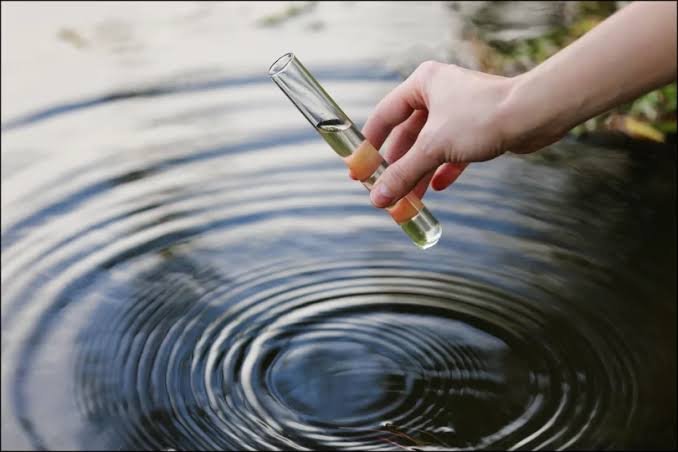
Water has a funny way of becoming invisible in our daily lives. We use it from the moment we wake up until the lights go out at night, yet most of us rarely stop to think about it. It fills the kettle for morning tea, rinses fresh vegetables, powers the washing machine, and provides that welcome hot shower after a long day. We depend on it constantly, but because it’s always there, we often assume it’s perfect.
The truth is a little more complicated. Water can look crystal clear and still contain minerals or impurities that affect your plumbing, appliances, or everyday comfort. Sometimes the signs are obvious, like stubborn limescale or an unusual taste. Other times, there are no visible clues at all.
That’s why understanding your home’s water quality is less about expecting problems and more about making informed choices. A little knowledge today can help you avoid unnecessary headaches tomorrow.
Every Home Has a Unique Water Story
One of the biggest misconceptions about household water is that everyone in a neighborhood receives exactly the same quality.
In reality, water can vary from one property to another depending on the local water source, plumbing materials, well depth, surrounding geology, and even the age of underground infrastructure. Homes supplied by private wells often face different challenges than those connected to municipal systems, while older houses may experience issues caused by aging pipes rather than the water itself.
Understanding those differences helps homeowners make smarter decisions instead of relying on assumptions or generic advice.
Water Quality Affects More Than Drinking
When people hear the phrase “water quality,” they naturally think about the water they drink. That’s certainly important, but water touches nearly every part of a home.
It runs through coffee makers, dishwashers, washing machines, showers, water heaters, refrigerators, and every faucet in the house. Hard water minerals can reduce appliance efficiency, while iron may stain sinks and clothing. Sediment may affect plumbing fixtures, and chlorine can influence taste and odor.
Having access to clean safe water improves far more than what’s in your glass. It supports everyday routines that most of us rarely think about until something feels different.
Testing Replaces Guesswork with Confidence
Many homeowners don’t consider testing their water until something seems wrong.
Maybe dishes start looking cloudy. Perhaps the water develops an unusual taste, or soap suddenly refuses to lather properly. While these are reasonable reasons to investigate, waiting for obvious symptoms isn’t always the best approach.
Some contaminants have no noticeable taste, smell, or appearance. Others gradually affect plumbing and appliances long before homeowners realize anything has changed.
Regular testing provides valuable information before small concerns become expensive problems.
The Right Information Leads to Better Decisions
Choosing a filtration or treatment system without understanding your water is a bit like buying prescription glasses without having an eye exam.
Different homes face different challenges. One household may struggle with excessive hardness, while another deals with iron, sulfur, sediment, chlorine, or naturally occurring minerals.
An accurate water analysis identifies the specific characteristics of your home’s water, making it much easier to select equipment that actually solves the right problem instead of addressing symptoms that don’t exist.
That targeted approach often saves both money and frustration.
Not Every Water Filter Solves Every Problem
Walk through any home improvement store and you’ll find dozens of filtration products promising better water.
The difficulty is that no single system works equally well for every household. A filter designed to reduce chlorine won’t necessarily address hardness, while equipment intended for iron removal won’t solve bacterial concerns.
Understanding your water first prevents unnecessary purchases and helps homeowners invest in treatment that delivers meaningful long-term results.
Sometimes spending a little more wisely is better than spending more overall.
Personalized Solutions Make a Difference
Every family has different priorities.
Some want to improve the taste of drinking water. Others hope to reduce mineral buildup that shortens the lifespan of appliances. Many simply want greater confidence in the water their children use every day.
That’s why professionals often recommend customized treatment solutions instead of one-size-fits-all systems. Tailoring equipment to the actual water conditions and household needs typically produces better performance while avoiding unnecessary complexity.
A personalized approach simply makes more sense.
Water Changes More Than People Expect
One important thing homeowners sometimes overlook is that water quality isn’t necessarily permanent.
Heavy rainfall, drought conditions, nearby construction, seasonal groundwater changes, municipal maintenance, or aging plumbing can all influence water over time. Even if previous test results were excellent, periodic testing helps confirm that conditions remain the same.
It’s a small habit that provides lasting confidence.
After all, water is constantly moving. It makes sense to check in on it from time to time.
Protecting Your Home Along with Your Family
Good water quality isn’t only about health. It also helps protect the systems inside your home.
Reducing excessive mineral buildup may improve the efficiency of water heaters and plumbing fixtures. Addressing sediment can help appliances perform better, while identifying specific water issues early often prevents years of unnecessary wear and tear.
Those long-term benefits frequently outweigh the cost of testing and treatment.
It’s another example of how preventive maintenance pays dividends over time.
A Simple Step That Creates Lasting Peace of Mind
Few household improvements influence daily life as consistently as better water.
Every meal, every load of laundry, every shower, every cup of coffee, and every glass of water depends on what’s flowing through your pipes. Taking the time to understand your water isn’t complicated, yet it provides information that supports smarter decisions for years to come.
At the end of the day, water testing isn’t about looking for problems where none exist. It’s about understanding one of the most important resources your family relies on every single day.
When you know what’s in your water, choosing the right solution becomes much easier. And with that confidence comes something every homeowner values—a healthier, more comfortable home where one of life’s simplest necessities quietly supports everything else.