Water is something most of us take for granted until it starts causing problems. You turn on the kitchen tap and notice a metallic taste. The bathroom fixtures develop reddish stains, or the water has an unpleasant smell that makes you hesitate before taking a drink. These issues can be frustrating, especially when the water looks perfectly clear at first glance.
The truth is that water quality problems don’t always announce themselves in obvious ways. Some affect the taste and smell of water, while others may go unnoticed without proper testing. Understanding what’s in your water is the first step toward choosing a treatment that actually works, rather than spending money on equipment you may not need.
Why Does Water Quality Change?
Water travels through a variety of natural and man-made environments before reaching your home. Depending on its source, it may pick up minerals, dissolved gases, organic matter, or other substances along the way. Groundwater, for example, can dissolve minerals from surrounding rocks and soil. Municipal supplies may also experience changes related to plumbing, distribution systems, or local water conditions.
Not every unusual smell, stain, or taste means the water is dangerous. However, these signs shouldn’t be ignored, particularly when they appear suddenly or become more noticeable over time.
A simple water test can help separate cosmetic problems from concerns that deserve immediate attention. Once you know what’s present, it’s much easier to choose a practical solution.
Dealing With Iron and Rust in Household Water
Reddish-brown marks around sinks, toilets, bathtubs, and laundry are often associated with iron in water. You might notice that white clothes come out of the washing machine looking slightly discolored, or that a freshly cleaned bathroom develops stubborn orange stains within days. It’s an annoying problem, and ordinary household cleaners don’t always solve it for long.
The source may be dissolved iron in groundwater, iron particles suspended in the supply, or corrosion inside older plumbing. These situations can look similar, but they don’t necessarily require the same treatment.
When iron & rust are the main concern, testing should identify the type and concentration of iron present. Dissolved iron may require oxidation followed by filtration, while certain sediment filters can capture larger particles. In some homes, a combination of treatment methods delivers better results than a single filter.
Water pH, flow rate, and other minerals can influence how well a system performs. That’s why choosing equipment based only on the appearance of stains can lead to disappointing results.
It’s also worth remembering that rust-colored water can sometimes come from plumbing disturbances or corrosion rather than the natural water source. If the discoloration begins suddenly, especially throughout the house, contact your water supplier or a qualified plumbing professional to investigate.
Nitrates and Other Contaminants: What You Can’t See
Some water quality concerns are less obvious than rusty stains. Water can look clear, smell normal, and still contain substances that require attention. This is particularly important for households that depend on private wells, although municipal water users should also pay attention to local water quality reports and any official advisories.
Agricultural runoff, septic systems, and certain natural or industrial sources can contribute to contaminants in groundwater. Nitrates are one example. They may enter water supplies through fertilizers, animal waste, or wastewater. High nitrate levels are especially concerning for infants, which makes appropriate testing important for households with young children.
The broader category of nitrates & contaminants includes substances that cannot reliably be identified by sight, smell, or taste. Depending on local conditions, testing may cover nitrates, bacteria, arsenic, lead, pesticides, or other specific concerns. Not every home needs every possible test, so the best approach is to consider your water source, nearby land use, plumbing, and local guidance.
If your home uses a private well, arrange testing through a qualified laboratory and follow local public health recommendations for how often to repeat it. Testing is especially important after flooding, repairs, changes in taste or appearance, or other events that might affect the water source.
Treatment depends on the contaminant. Reverse osmosis, ion exchange, specialized filtration, and disinfection each address different problems. No single device removes everything, and a system designed for one substance may have little effect on another.
If a test reveals a health-related contaminant above the applicable limit, follow the laboratory’s or local health authority’s advice. Use an alternative safe water source when recommended, particularly for drinking, cooking, or preparing infant formula.
What Causes Sulfur-Like Smells?
A rotten-egg smell is one of the most recognizable household water complaints. It can be strong enough to make a glass of water unpleasant before you’ve even taken a sip. Often, the odor is associated with hydrogen sulfide gas, although the cause can vary depending on where and when the smell occurs.
If sulfur odors appear only when you use hot water, the water heater may be involved. Reactions inside the heater can produce hydrogen sulfide under certain conditions. If the smell occurs in both hot and cold water, the source may instead be the groundwater, plumbing, or another part of the supply system.
A qualified plumber can help inspect the water heater, while water testing can determine whether hydrogen sulfide or other issues are present. Depending on the results, treatment may involve aeration, oxidation, filtration, or maintenance of the affected equipment.
Don’t assume that boiling or adding a household cleaning product will solve the problem. The right response depends on the source, and masking an odor doesn’t necessarily address its cause.
If the smell is sudden, unusually strong, or accompanied by other changes in water quality, investigate promptly rather than simply installing an odor filter and hoping for the best.
Choosing a Water Treatment System That Fits
Once testing identifies the problem, selecting treatment becomes much more straightforward. The goal isn’t to install the most expensive equipment or create an elaborate filtration setup. It’s to address the specific issue while keeping the system practical to maintain.
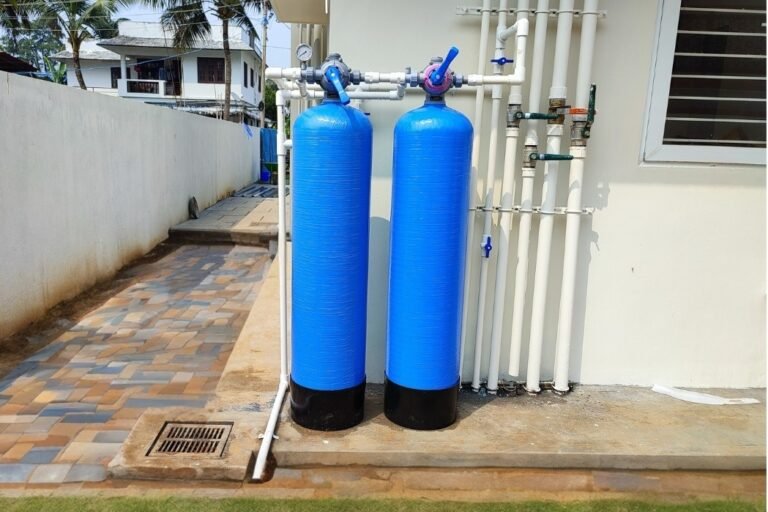
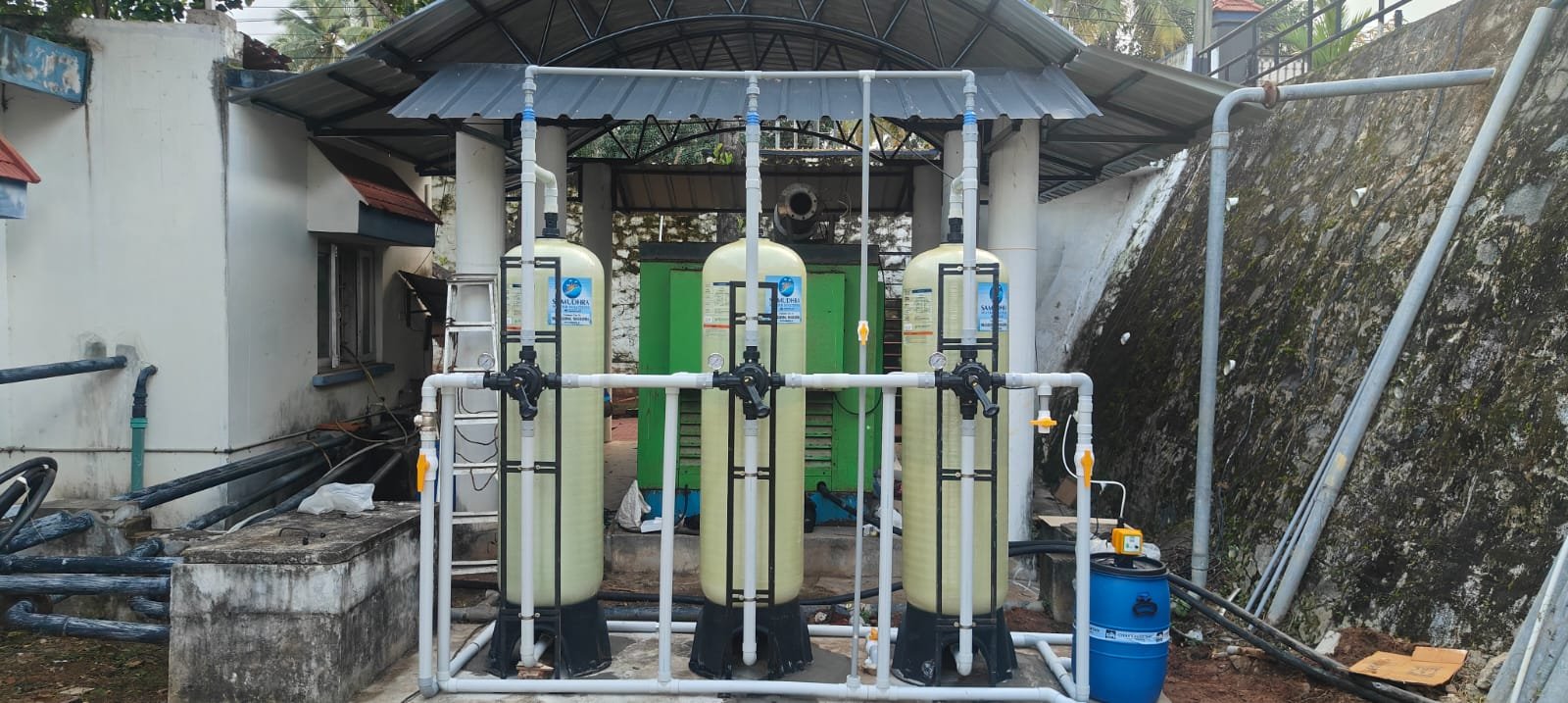
Whole-house systems treat water entering the property and can be useful for problems affecting showers, laundry, plumbing, and multiple taps. Point-of-use systems, such as under-sink filters, focus on a particular outlet and may be suitable when the main concern is drinking water.
Before buying anything, ask a few basic questions:
- What substances have actually been detected?
- Is the issue affecting the entire home or only one tap?
- Does the equipment remove the specific substance identified in the test?
- How often will filters or other components need replacing?
- What maintenance costs should be expected over time?
Look for treatment equipment supported by relevant independent performance testing or certification. Follow the manufacturer’s installation and maintenance instructions, and retest when recommended to confirm that the system continues to perform as intended.
A system that isn’t maintained properly may become less effective, even if it worked well when first installed.
Better Water Starts With Better Information
Water problems can feel complicated because different issues often produce similar symptoms. A rusty stain might point to iron, while an unpleasant odor could involve hydrogen sulfide or a problem inside the water heater. Clear water, meanwhile, isn’t proof that every unwanted contaminant is absent.
Instead of guessing, begin with the signs you’re noticing and arrange appropriate testing. Use those results to compare treatment options, understand the ongoing maintenance involved, and decide whether professional installation makes sense.
Clean, dependable water isn’t necessarily about having the latest technology under the sink or in the basement. Sometimes it’s simply about identifying the real problem and solving it properly. With a little information and the right approach, you can protect your plumbing, improve everyday water use, and feel more confident about the water flowing through your home.