
Most people don’t wake up thinking about their water softener. Fair enough. There are bills to pay, breakfast to make, emails to answer, and probably a laundry basket somewhere pretending it doesn’t exist. A water softener is usually one of those quiet household systems that only gets noticed when something changes.
Maybe the shower doesn’t feel quite as smooth. Maybe the dishes are cloudy again. Maybe the laundry comes out a bit stiff, even though you used the same detergent as always. These small signs are easy to brush off, but they often point to the same thing: your softener needs attention.
And in many homes, that attention starts with salt.
Why Water Softener Care Matters More Than It Seems
A water softener does a simple but important job. It helps reduce minerals like calcium and magnesium from hard water. Those minerals are the reason behind chalky buildup on taps, spots on glassware, dry-feeling skin, and soap that seems to work harder than it should.
When a softener is doing its job properly, everyday water use feels easier. Showers rinse cleaner. Clothes feel softer. Appliances may deal with less mineral buildup over time. It’s not something you always notice in a dramatic way, but you do feel the difference when it stops working properly.
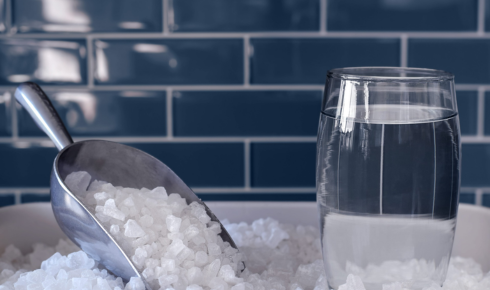
That’s why keeping the system supplied with softener salt is such a big deal. Without enough salt in the brine tank, the system cannot regenerate as it should, and hard water can start creeping back into your home.
The Problem With “I’ll Check It Later”
Most homeowners have good intentions. They mean to check the salt level. They mean to pick up a few bags next time they’re at the store. They mean to keep things topped up before the tank gets too low.
But life gets busy, and “later” has a bad habit of becoming next week. Then next month.
The tricky part is that a water softener doesn’t always send out obvious warnings. It may keep running, making the usual sounds and looking perfectly normal. But if there isn’t enough salt, performance can slowly drop. By the time you notice scale, spots, or dry skin again, the system may already have been struggling for a while.
This is where a little planning goes a long way. You don’t need to obsess over the system. You just need a simple routine that keeps it from being forgotten.
Small Maintenance, Big Difference
Home maintenance can feel overwhelming when everything piles up at once. Filters, gutters, appliances, plumbing, heating, cooling — there is always something asking for attention. But the good news is that water softener care doesn’t have to be complicated.
A quick check of the salt level every few weeks can help prevent bigger issues. The tank should not be allowed to run completely empty. It’s also worth watching for salt bridges, which happen when hardened salt forms a crust and prevents the system from using the salt properly. It looks like there is salt in the tank, but underneath, things may not be working as they should.
This kind of regular maintenance helps your water softener perform more consistently and may reduce the chances of avoidable service problems later. It’s a small habit, but it protects the comfort of the whole home.
What Happens When Salt Runs Too Low
When salt levels drop too much, the softener may not regenerate properly. That means the resin beads inside the system cannot refresh themselves well enough to continue removing hardness minerals from the water.
The results can show up in different ways. You may see spots on dishes. Soap may not lather as well. Shower doors may collect film faster. Towels might feel scratchier. Over time, mineral buildup can also affect water-using appliances, especially dishwashers, washing machines, and water heaters.
Nobody wants to deal with repair bills or poor water quality because of something as simple as missed salt refills. Yet it happens more often than people think.
Why Delivery Can Make Life Easier
Buying salt yourself sounds easy until you actually have to do it. The bags are heavy, awkward, and not exactly fun to carry. You load them onto a cart, lift them into the car, unload them at home, drag them to the softener, and then pour them into the tank without making too much of a mess.
For some people, that’s just annoying. For others, especially seniors or anyone with back trouble, it can be genuinely difficult.
A salt delivery option removes that hassle. Instead of remembering store trips and lifting bags, homeowners can have salt brought directly to them. Some services may even place it near the softener or refill the tank. That’s a simple convenience, but a valuable one.
Choosing Help You Can Count On
Not all home services feel personal or dependable. Some are rushed, some are unclear, and some leave homeowners wondering whether the job was actually done right. With water softener care, dependability matters.
A reliable service can help you stay ahead of salt needs, recommend the right type of salt, and make sure your system is being supported properly. This is especially helpful if you recently moved into a home with an existing softener and don’t know its history.
Good service also means consistency. You don’t have to guess when to buy salt or worry that you forgot again. The process becomes smoother, easier, and less stressful.
A Better Way to Protect Everyday Comfort
Soft water is not just about luxury. It affects the small daily things that make a home feel comfortable. Clean dishes. Softer laundry. Better showers. Less visible buildup around fixtures. These details may seem minor, but they add up over time.
Keeping your water softener supplied and cared for is one of the easiest ways to protect those benefits. It doesn’t require a major upgrade or a complicated plan. It just takes attention, the right salt, and a routine that fits your household.
In the end, water softener care is a bit like many other parts of homeownership. The work you do quietly in the background often saves you from bigger frustrations later. A little salt, a little consistency, and the right support can keep your home’s water feeling better day after day.