
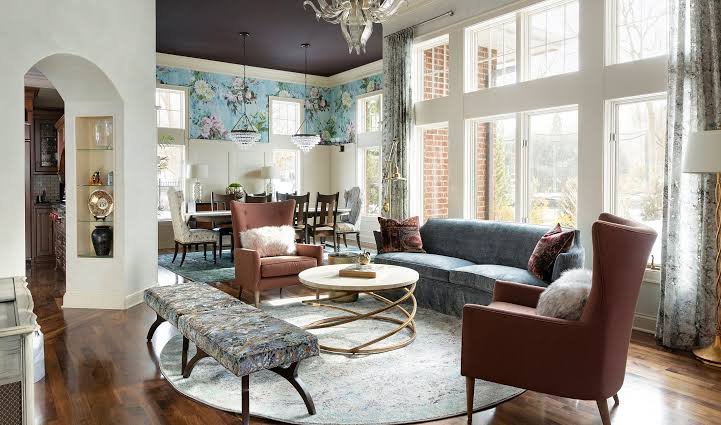
A beautiful home doesn’t necessarily look like something out of a glossy magazine. Sometimes, it’s the comfortable chair beside a window, the kitchen where everyone gathers after a long day, or the little reading corner that somehow becomes your favorite spot in the house.
Good interior design is about creating spaces that feel personal. It’s about bringing comfort, character, and functionality together without sacrificing visual appeal.
That’s what makes working with an interior designer such an interesting experience. Rather than simply choosing attractive furniture or coordinating colors, thoughtful design considers how people actually live.
Whether you’re renovating an entire property or refreshing a few familiar rooms, the right approach can transform your home into somewhere you genuinely enjoy spending time.
Bringing Personality Into Every Room
One of the most enjoyable aspects of designing a home is discovering what makes it feel uniquely yours. Perhaps you’re drawn to natural materials, warm neutral colors, or furniture with a little history behind it.
Homeowners exploring custom interiors by julian design can find inspiration in a personalized approach to decorating, where individual preferences and everyday routines help shape the creative direction.
For instance, a family with young children might need durable fabrics, practical storage, and plenty of room to move around. Someone who frequently entertains guests may prefer an inviting dining area connected to comfortable gathering spaces.
These requirements influence everything from furniture placement to material selection.
A home shouldn’t feel like a showroom where you’re afraid to touch anything. It should reflect your personality, accommodate your habits, and make ordinary moments a little more enjoyable.
Why a Comprehensive Design Approach Makes Sense
Renovating or furnishing a home involves more decisions than most people initially anticipate. Paint colors, flooring, lighting, furniture dimensions, and decorative finishes all need consideration.
It’s surprisingly easy to purchase something beautiful and later discover that it doesn’t quite work with everything else.
Working with a full-service interior design studio can help homeowners bring these decisions together through coordinated space planning, material selection, furnishings, and project management, depending on the scope of services.
Imagine renovating a kitchen without considering how its finishes will connect with the adjoining living room. Both spaces might look attractive individually, yet something feels disconnected when you see them together.
A comprehensive design approach considers the relationship between rooms from the beginning.
It can also help homeowners establish realistic budgets, avoid unnecessary purchases, and develop a clearer vision before making significant investments.
Finding the Balance Between Comfort and Style
There’s something appealing about walking into a room that looks beautifully arranged but still feels genuinely welcoming.
Creating livable interiors means designing spaces around real routines rather than focusing exclusively on appearance. Comfortable seating, accessible storage, practical surfaces, and thoughtful lighting all contribute to that balance.
Take a living room with an elegant cream-colored sofa. It might look wonderful, but for a household with children and pets, choosing an easy-to-clean performance fabric could make everyday life considerably easier.
Similarly, a beautiful coffee table should leave enough space for people to move comfortably around the room.
These small considerations matter more than they initially appear.
The most successful rooms don’t force people to change their habits to accommodate the design. Instead, the design works naturally with the way people already live.
Choosing Materials That Age Gracefully
Interior design trends come and go. Materials that offer timeless character and lasting quality, however, can remain appealing for years.
Natural wood, textured fabrics, stone, and carefully selected metal finishes can bring warmth and depth into a home.
There’s no need for every surface to match perfectly, either. A combination of different textures can make a room feel more interesting and less predictable.
Consider pairing a wooden dining table with upholstered chairs, subtle brass lighting, and a woven rug. Each element contributes something slightly different without competing for attention.
Maintenance deserves consideration as well. Some materials require regular care, while others are more forgiving of spills, scratches, and everyday wear.
Choosing finishes that suit your lifestyle can help your home remain beautiful without becoming unnecessarily demanding.
Using Lighting to Change the Mood of a Room
Lighting is one of those details people sometimes overlook until they realize a room doesn’t feel quite right.
A single overhead fixture might provide sufficient brightness, but it doesn’t necessarily create a relaxing atmosphere.
Combining ambient lighting with table lamps, wall sconces, and task lighting can introduce warmth and flexibility.
In a bedroom, softer illumination can make evenings feel more peaceful. A kitchen, meanwhile, benefits from brighter lighting around food preparation areas.
Natural light deserves attention, too.
Thoughtfully selected window treatments can provide privacy while allowing sunlight to filter into the room.
Sometimes, changing the lighting arrangement makes a bigger difference than replacing an entire collection of furniture.
Making Small Spaces Feel More Comfortable
You don’t need an enormous house to enjoy thoughtful interior design. Smaller homes can feel remarkably spacious when furniture, storage, and circulation are carefully considered.
Built-in shelving, multifunctional furniture, and appropriately sized pieces can help maximize available space.
A window seat with concealed storage, for example, offers a practical solution without adding unnecessary clutter.
It’s also worth leaving a little empty space. Not every wall needs artwork, and not every corner requires furniture.
Giving a room some breathing space can make it feel calmer and more inviting.
Designing a Home You’ll Love for Years
A thoughtfully designed home isn’t about following every decorating trend or impressing everyone who walks through the front door.
It’s about creating an environment where you feel comfortable, relaxed, and genuinely connected to your surroundings.
Take inspiration from beautiful spaces, certainly, but leave room for personal memories, favorite objects, and the occasional imperfection.
After all, the best interiors aren’t necessarily the ones that look perfect in photographs. They’re the ones that make you happy to come home, day after day.