
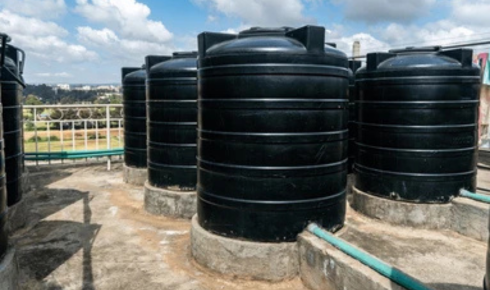
Overhead water tanks sit silently above us, doing vital work, but we rarely think about them until something goes wrong. A few basic checks keep them functioning safely.
Tanks should be cleaned periodically—usually once or twice a year—depending on water quality. Sludge, sand and biological growth at the bottom can affect water quality and clog pipelines.
Inspect lids and covers. They should fit properly to prevent dust, birds, insects, or small animals from entering. A loose or broken lid is a hygiene risk.
Check inlet and overflow pipes. The overflow outlet should direct water safely, not onto walkways where it can cause slippery patches or leak marks on walls.
Look for early signs of structural stress—cracks in the tank base, rusted metal supports, or damp patches on the slab below. These need attention before they become serious.
In societies, it helps to keep a simple maintenance log: last cleaning date, issues noticed, repairs done. Tanks may be out of sight, but they shouldn’t be out of mind.