
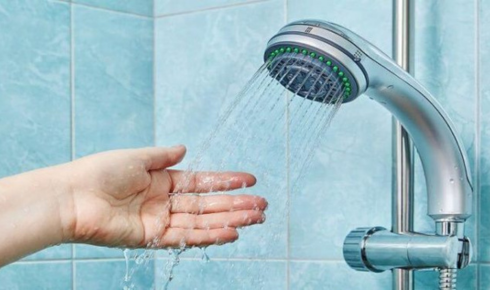
Weak showers and slow-filling buckets are annoying, but they’re also telling you something about your plumbing.
If only one fixture has low pressure—say one bathroom tap or a single shower—it may be a local issue: clogged aerator, blocked shower head, or a partially closed valve. Cleaning or replacing that fitting might solve it.
If multiple taps in one bathroom are slow, the branch line feeding that space may be partially blocked with mineral deposits, rust, or debris.
When the whole flat has low pressure, it could be a problem with the building’s overhead tank level, pump performance, or pressure balancing between floors. In such cases, neighbours usually feel it too.
Sometimes, pressure may drop at certain times of day—like peak usage hours—when many people in the building draw water at once.
Ignoring low pressure can lead to bigger issues: strain on geysers and appliances, inconsistent temperature, and extreme cases where pipes clog fully.
Instead of just living with a sad shower, take note of where and when it happens and share clear details with a plumber or building maintenance. Good diagnosis starts with good observation.